
How can Twitter do a better job of creating a more civil environment online?
Our job is public conversation, so we’ve been asking ourselves a question, “Can we measure the health of a conversation?” We have a service that some people have been able to take advantage of to amplify harassment, abuse, misinformation- so we need to understand how and then continue to develop solutions around it.
You know when you’re in a conversation that’s toxic. You know when you’re in a conversation that is empowering. So can we measure the health of the public conversation on Twitter? We know it’s possible – it’s just going to be a lot of hard work. The reason why we believe a health framework is important to focus on, rather than harassment alone, is because then you can address problems of harassment, you can address problems of abuse. You can address problems of misinformation, of manipulation through automation or through coordinated human campaigns, all these things that we’ve been seeing over the past years. And we need to understand how, and then as we continue to develop solutions around it, are they actually being effective?
So we’re trying to come up with a series of indicators of health for conversation, so that we can measure what the health is. When we know where we are, we can actually figure out if we’re making progress as we create tools for people to increase their health on the service. Because if we can’t measure it, we can’t improve it.
And we realized that we can’t do this alone. We’ve made an open call for help here – we created an RFP- a request for proposal- to researchers and academics and organizations around the world to help us think about measuring conversational health and then help us think about treating any toxicity. And we are also committed to being open about all of our findings as well. We want to make sure that we are a trusted service, and trust to us means we have to be transparent, that we have to be clear and consistent in our communication and that we need to hold ourselves accountable.
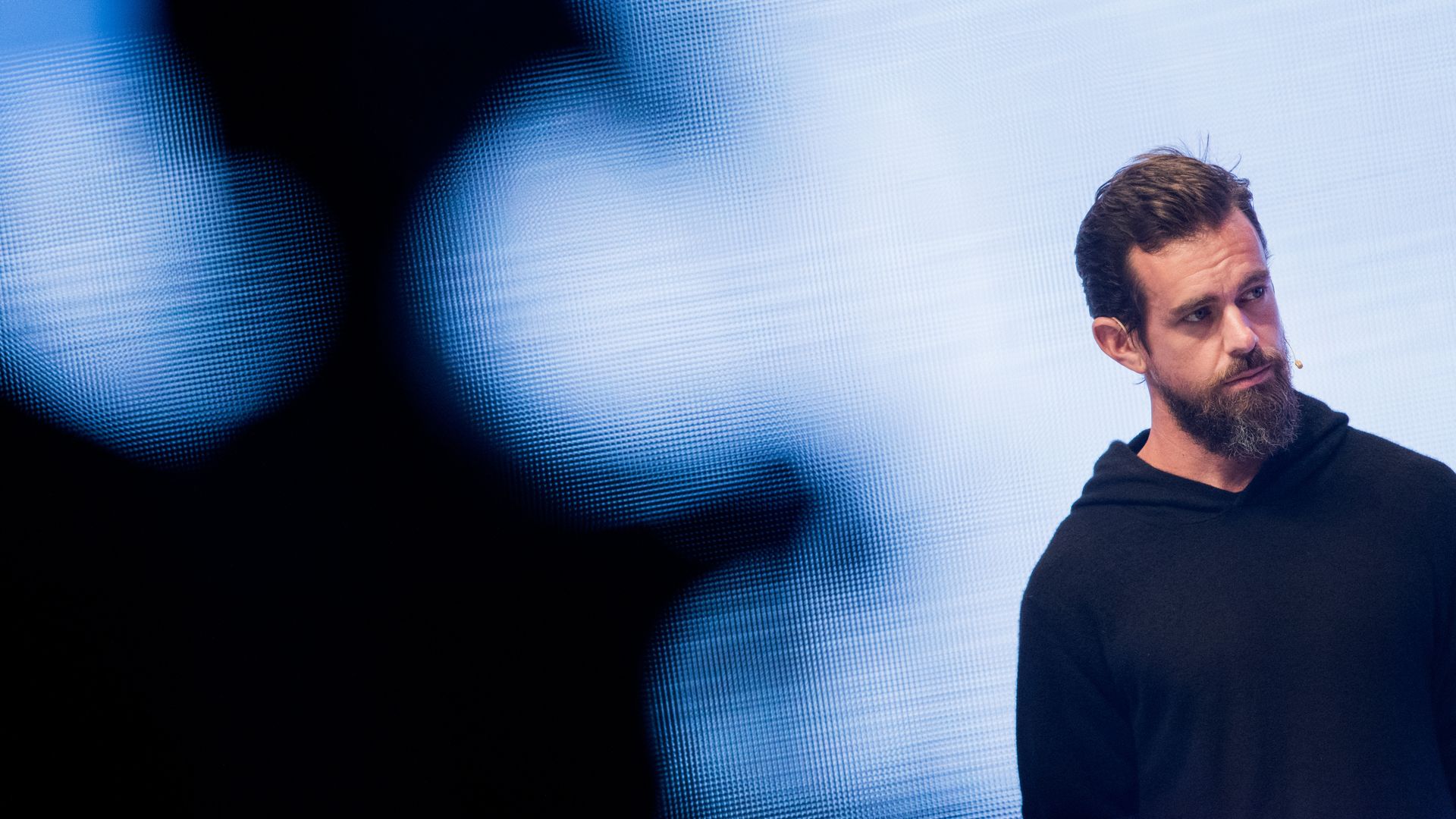
Diversity in the workplace is important to young people – and Silicon Valley hasn’t really been a leader in that department. What real steps in the tech world and Twitter specifically can they take to increase diversity?
First and foremost, we need to make diversity a priority. We need to recognize that we’re only going to build a product that is valuable to the world if we understand the world’s backgrounds and perspectives. The only way we’ll build a viable service is if we look a lot more like a cross-section of the world and include more folks who haven’t had a voice in the past.
But we’ve taken a slightly different take than I think you’ll hear in the industry, which is: Focus on inclusion first, then on diversity. Because if you just focus on diversity, then people come in and they don’t feel like they belong or they don’t feel included. Then they opt out, and they go somewhere else. So we need to build a culture that is inclusive to everyone who is on our team right now – focusing on the people that we have and making life better for them. If we can get that right, then diversity becomes a lot easier.
To go back to the idea of focusing first on what we have: We have people who come to work in customer support, for instance, but they really want to be an engineer. We could take on a mindset of, well, you need to go to college to become an engineer, and you need to come to our door having engineering skills. Or we could take a mindset of, What do you want to be? And how can we help you attain those skills? That’s what I would like to focus on more. We have a bunch of people who have ambitions that are different from the jobs they hold in the company. We need to understand what those ambitions are and how do we build a path to help them get there? And we’ve shown that we can take someone who comes in at an quote-unquote entry-level job and has an ambition to be something different, and we’ve actually helped them get there. So, that’s a story I would love to be able to tell for a majority of our folks, but it’s going to take some time, and we need to focus more on it.
Images from Rolf Vennerbernd

